
A temporary equipment malfunction at Wawa has triggered a voluntary recall of four popular beverages across five states, placing milk-allergic consumers at risk of life-threatening reactions from drinks they presumed were dairy-free.
Story Snapshot
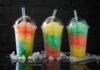
- Wawa recalls four 16-ounce beverages—Lemon Iced Tea, Diet Lemon Iced Tea, Diet Lemonade, and Fruit Punch—sold in Pennsylvania, Delaware, Maryland, New Jersey, and Virginia
- Equipment cross-contamination introduced an undeclared milk allergen into drinks with code dates between May 15-19, 2026
- No illnesses reported, but FDA warns of serious risk for milk-allergic individuals who consume affected products
- Consumers urged to discard or return products for a full refund; specific UPC codes and limited store distribution identified
Equipment Failure Creates Hidden Danger
Wawa discovered a temporary equipment issue that introduced milk residue into four beverage varieties never intended to contain dairy. The Mid-Atlantic convenience chain identified the contamination affecting specific production lots and immediately corrected the problem.
The recall targets 16-ounce pints with precise code dates stamped between May 15 and May 19, 2026, limiting the scope to identifiable batches rather than blanket product lines.
Distribution varied by flavor—Lemon Iced Tea reached 123 stores while Fruit Punch appeared in only 53 locations across the five-state region.
The FDA press release issued on a Friday detailed specific UPC codes for each affected beverage, enabling consumers to verify their purchases. Wawa removed implicated products from shelves and established refund procedures for concerned customers.
Equipment-related cross-contamination differs fundamentally from labeling errors or ingredient mishaps—this represents a production-line breach in which allergen residue is transferred during manufacturing, rather than deliberate formulation changes or packaging mistakes.
Why Milk Allergens Demand Immediate Action
Milk ranks among nine major allergens recognized by U.S. regulatory standards, alongside eggs, wheat, peanuts, and shellfish. For allergic individuals, even trace amounts can trigger reactions ranging from hives to anaphylactic shock requiring emergency intervention.
The FDA classification as “life-threatening” reflects documented severity rather than theoretical concern. This recall underscores a persistent industry challenge: shared production equipment creates persistent contamination risks despite rigorous cleaning protocols between product runs.
Wawa recalls 4 drink products over undeclared allergen https://t.co/V1gVhWZJf5 pic.twitter.com/In8dDWU3eH
— New York Post (@nypost) April 7, 2026
Beverage manufacturers commonly use the same lines for multiple products, creating inherent cross-contact vulnerabilities. Wawa’s proactive response aligns with responsible corporate behavior—detecting the issue internally, halting affected production, and coordinating with federal regulators before illnesses occurred.
The absence of reported health incidents suggests effective quality control systems caught the problem during routine monitoring rather than after consumer complaints emerged.
Such vigilance protects both public health and corporate reputation in an era where food safety scandals can permanently damage brands.
Consumer Protection in Practice
The recall’s limited scope—specific lots at designated stores rather than entire product categories—demonstrates targeted risk management. Consumers can identify affected beverages by UPC codes printed on packaging: Lemon Iced Tea, for example, carries 726191018425 with a May 15, 2026 code date.
This precision prevents unnecessary disposal of safe inventory while ensuring contaminated products exit circulation. Wawa’s refund policy removes financial barriers to compliance, encouraging returns rather than risky consumption.
The five-state footprint reflects Wawa’s concentrated Mid-Atlantic presence where the chain maintains strong market penetration. Pennsylvania, Delaware, Maryland, New Jersey, and Virginia host the company’s core operations, making regional recalls logistically simpler than nationwide efforts.
For milk-allergic residents in these states, the recall serves as a critical reminder to scrutinize code dates and UPCs before consuming purchased beverages.
The FDA’s public notification through official channels ensures that information reaches beyond Wawa’s direct customer base, including healthcare providers and allergy advocacy groups monitoring food safety threats.
Sources:
Wawa recalls multiple drinks in five states over life-threatening health risk