

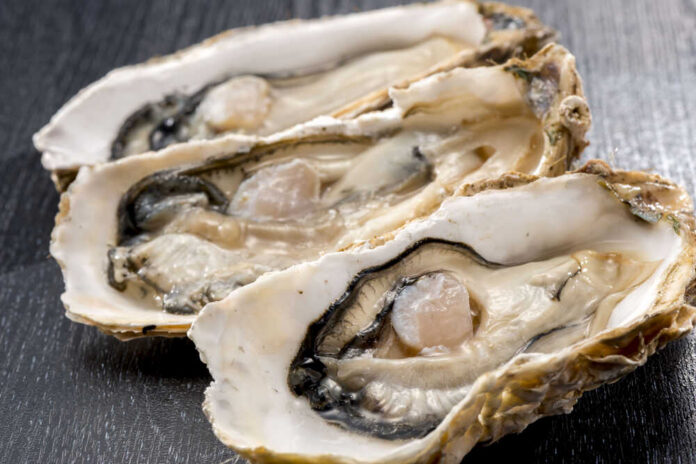
The FDA warns of potential norovirus contamination in Washington-harvested clams and oysters, with cases reported in nine states, exposing families to hidden dangers in everyday seafood, just as President Trump works to strengthen American food security.
Story Snapshot
- FDA alert on March 9, 2026, halts sales of Manila clams from the Lummi Indian Business Council, harvested February 13 to March 3, across Arizona, California, Florida, Georgia, Illinois, Nevada, New York, Oregon, and Washington.
- Washington consumers are urged not to eat raw oysters from Drayton Harbor Oyster Company over the same period; no illnesses have been reported yet.
- Precautionary action helps prevent outbreaks amid recurring shellfish contamination risks, protecting vulnerable Americans, such as children and older people.
- Impacts a $1.5 billion industry, stressing the need for robust federal oversight under Trump’s America-first priorities.
FDA Issues Urgent Alert
The U.S. Food and Drug Administration issued a public alert, directing restaurants and retailers in nine states not to serve or sell specific Manila clams. Lummi Indian Business Council harvested these clams from February 13 to March 3 in Washington state waters.
The agency identified potential norovirus contamination through monitoring under the National Shellfish Sanitation Program. Consumers face risks from this highly contagious virus, which can cause vomiting and diarrhea within 12 to 48 hours.
The very contagious virus causes vomiting, diarrhea and severe dehydration. https://t.co/mWTx724OtI
— KHOU 11 News Houston (@KHOU) March 9, 2026
Targeted Oyster Warning for Washington
Separately, the FDA advised Washington consumers not to consume raw oysters harvested by Drayton Harbor Oyster Company in Blaine, Washington, from February 13 to March 3, 2026.
Products appear normal but may harbor norovirus, which persists despite cooking attempts. No confirmed illnesses have been reported as of March 10, yet the precautionary hold underscores swift federal action. This protects families prioritizing safe, homegrown food over risky imports.
Recurring Risks in Shellfish Supply
Norovirus infects shellfish through bioaccumulation from contaminated seawater, often linked to sewage discharge or human handling. The U.S. sees 2,500 outbreaks yearly, many foodborne.
Recent precedents include February 2026 alerts for Canadian Stellar Bay oysters, affecting 10 states and resulting in illnesses, and July 2025 Korean oyster recalls following Utah cases.
Domestic harvests, such as Lummi’s, highlight vulnerabilities in Pacific Northwest operations despite NSSP oversight. President Trump’s deregulation push demands common-sense safeguards for American tables.
Winter conditions in harvest areas favor viral persistence, prompting the FDA to intervene early before outbreaks hit communities. Tribal entities like the Lummi operate sovereignly but rely on federal certification to access markets nationwide.
Clams, raw oysters recalled over possible norovirus contamination across 9 states: FDA https://t.co/n8FtMVPHod
— FOX Business (@FoxBusiness) March 10, 2026
Economic Hits and Broader Impacts
Restaurants and retailers discard inventory, facing immediate losses in the $1.5 billion shellfish sector during peak season. Lummi and Drayton Harbor lose revenue and trust, while distribution probes continue for possible additional states.
Vulnerable groups risk severe dehydration. In the long term, stricter monitoring and investments in depuration technology loom, shifting demand toward safer alternatives. This reinforces calls for enhanced NSSP standards amid globalist supply chain weaknesses.
Sources:
FDA issues recall for certain oysters and clams over norovirus risk
FDA Advises Restaurants and Retailers Not to Serve or Sell, and Consumers Not to Eat Certain Oysters