

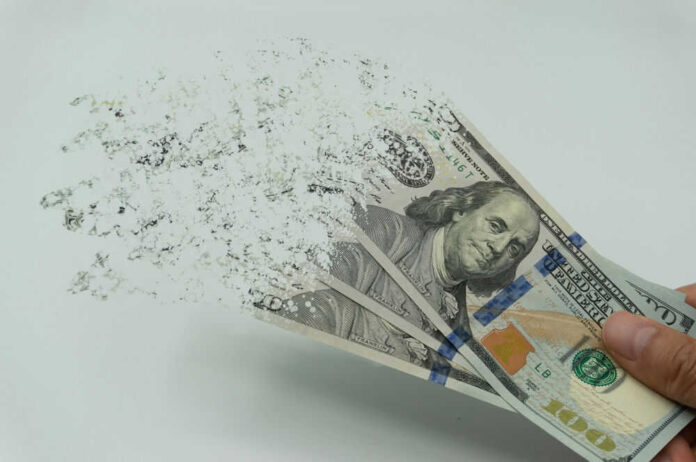
A single presidential order has upended financial markets, erasing $2 trillion from American stocks and revealing just how vulnerable our economy remains to globalist entanglements and adversarial nations.
Story Snapshot
- President Trump’s 100% tariff on all Chinese imports led to the largest single-day stock market loss of 2025, wiping out $2 trillion in U.S. value.
- The tariff is a direct response to China’s restrictions on exporting rare earth minerals critical to the U.S. industry and defense.
- Global markets and cryptocurrencies were also hit hard, reflecting widespread economic anxiety over escalating U.S.-China tensions.
- Conservative voices argue the policy is a necessary stand against years of unfair trade and American dependence on foreign adversaries.
Trump’s Tariff Announcement Sparks Historic Market Sell-Off
President Trump announced a sweeping 100% tariff on all Chinese imports effective November 1, framing the move as a decisive answer to China’s aggressive tightening of rare earth mineral exports.
Within hours, U.S. financial markets were in freefall—the S&P 500, Dow Jones, and Nasdaq all plunged, collectively erasing approximately $2 trillion in American wealth.
This marks the sharpest single-day loss since the global market turmoil earlier in the year, underscoring how intertwined American retirement accounts and economic stability remain with overseas policies and foreign supply chains.
The shockwaves did not stop at equities. Cryptocurrency markets saw $19 billion in liquidations as global investors scrambled for cover, and margin calls triggered a cascade of forced selling.
The magnitude of the crash demonstrated just how exposed modern portfolios are to sudden government actions—especially when adversarial nations like China weaponize their economic power.
Many conservative analysts point to this volatility as a direct consequence of decades of globalist trade arrangements that have left the United States dependent on foreign suppliers for critical technology and manufacturing inputs, a vulnerability that has now come home to roost.
Root Causes: Globalism, China’s Leverage, and American Dependency
This market rout is not a random act of nature but a direct result of years of policy decisions that prioritized cheap imports over American jobs and security.
For years, Washington’s political class—often cheered on by left-leaning elites—chased trade deals that hollowed out domestic manufacturing and granted China outsized control over materials essential for everything from smartphones to jet fighters.
When China moved to restrict exports of rare earth minerals, the U.S. faced a critical shortfall, threatening national security and economic independence. President Trump’s tariff decision, though disruptive, signals a new willingness to push back against Chinese economic blackmail and restore American leverage in a world grown dangerously unstable.
Many on the right see this moment as a necessary wake-up call—proof that a return to America First principles is not just a slogan but a strategic imperative.
While the immediate costs are severe, advocates argue that rebuilding domestic supply chains and reducing reliance on hostile foreign regimes is the only way to secure long-term prosperity and sovereignty.
Left unchallenged, the old globalist model would leave American families and workers perpetually exposed to the whims of foreign powers and the unchecked ambitions of economic rivals.
Market sell-off: Trump post lops off $2 trillion from stocks in a single day https://t.co/qnymQCa6AJ
— CNBC (@CNBC) October 11, 2025
Aftershocks and the Path Forward for American Families
For millions of Americans, the consequences of the sell-off are tangible: retirement savings have taken a hit, and uncertainty looms over jobs in industries tied to global supply chains.
Yet, there is strong support among constitutional conservatives for policies that prioritize American workers and national security, even at short-term financial cost.
Critics from the old establishment warn of recession and inflation, but supporters counter that the alternative—perpetual dependency and vulnerability—poses a far greater threat to the American way of life.
Looking ahead, the administration’s focus remains on pressuring China back to the negotiating table. With diplomatic talks suspended and markets jittery, the stakes could not be higher.
However, for many in the conservative base, this is the price of finally confronting decades of failed policy and restoring American independence. The coming weeks will test not just market resilience but the nation’s resolve to chart a future that is once again governed by American interests, not globalist agendas or foreign coercion.
Sources:
Wikipedia: 2025 stock market crash
News Ghana: Trump’s China Tariff Threat Triggers Massive Market Selloff
AInvest: Geopolitical Risk and Market Volatility: Trump’s China Tariffs
Mitrade: Are We in a Stock Market Bubble That’s About to Crash?
TBS News: Trump tariffs set to wipe out nearly $2 trillion from US stocks